

Live Smarter Today: No-Code Routines for Light, Comfort, and Safety
Discover how to build smart home routines without writing a single line of code, uniting lighting, climate, and security into calm, reliable habits. We’ll walk through approachable steps, real examples, and playful prompts that turn scattered devices into coordinated helpers. Expect clear guidance for apps, voice assistants, and sensors, plus privacy-minded tips and quick wins. Try an idea today, share results tomorrow, and invite loved ones to enjoy a home that anticipates needs instead of demanding attention.

Start Strong: Foundations of Effortless Automation
Before chasing clever tricks, learn the core building blocks that let no-code routines shine across lighting, climate, and security. You’ll map devices, group rooms, and define goals, then connect apps and hubs with confidence. We’ll compare platforms in simple language, highlight must-have accessories, and propose a starter checklist you can complete this afternoon. When in doubt, begin small, celebrate each automated success, and ask our community for practical feedback on your next improvement.
Lighting That Follows Your Life
Great lighting gently supports mornings, focuses afternoons, and winds down evenings without extra taps. Build schedules that warm color temperature after sunset, coordinate hallway nightlights with motion, and group lamps by activity rather than room. Prioritize consistency, avoid harsh surprises, and empower guests with obvious, forgiving controls they instantly understand.
Sunrise Ease, Sunset Calm
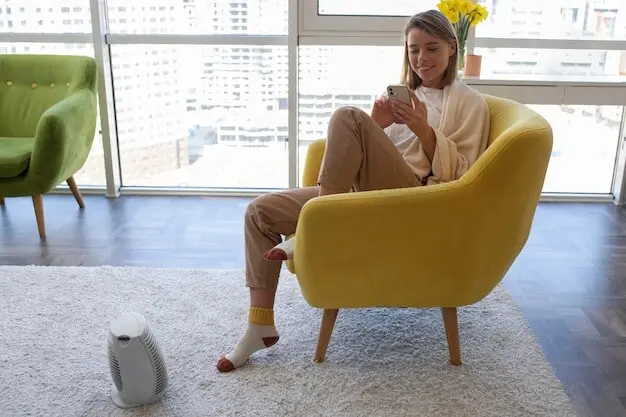
Use gradual dimming to simulate dawn, nudging you awake while keeping bedrooms tranquil. After sunset, shift bulbs toward warmer tones that invite calm and prepare melatonin-friendly routines. Combine astronomical schedules with presence sensors, so empty rooms stay dark and occupied spaces glow softly without startling anyone.
Motion That Understands Context
Let hallway and bathroom lights follow gentle logic: late-night motion sets low brightness; daytime movement goes brighter and cooler. Add cooldowns to prevent flicker, and apply minimum-on timers for safety. Always include a manual override, honoring people over sensors when someone needs steadier control.
Activity-Based Groups
Organize lamps for reading, dining, and focus work regardless of room boundaries, then trigger them with a phrase or widget. This approach makes flexible spaces shine, supporting study marathons or spontaneous dinners. Share your favorite combinations in the comments to inspire helpful variations for other readers.
Climate That Listens and Learns
Keep rooms comfortable with routines that account for weather, presence, and schedules, all without code. Preheat or precool before you arrive, pause HVAC when windows open, and tune setpoints to reduce energy waste. Align comfort with sleep quality, productivity, and allergies, then measure results to refine settings confidently.
Use phone-based presence or car Bluetooth as a trigger so the thermostat gently ramps before you walk in yet conserves energy after you leave. Add geofencing buffers to avoid false departures, and include holiday exceptions. Invite family feedback to balance comfort preferences with sustainable habits everyone accepts.
Pair contact sensors with HVAC pauses to stop heating or cooling when someone opens a window, then resume automatically after closure. In mild weather, activate ceiling fans or whole-house ventilation instead. This layered strategy trims bills, protects equipment, and preserves fresh air without fuss or micromanagement.
Schedule warmer bedrooms before bedtime, cooler settings for deeper sleep, and gentle morning transitions that prevent groggy shock. Allow occasional overrides from a smartwatch or bedside button. Track comfort outcomes for a week, then refine setpoints together, aiming for efficiency that feels invisible rather than strict or stingy.

Security With Calm Confidence
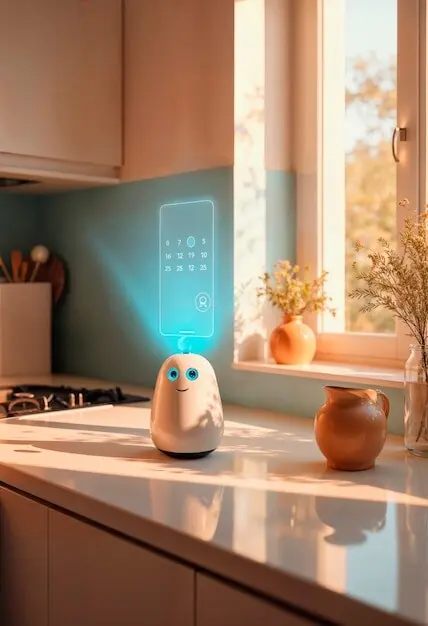
Protect your space thoughtfully by mixing sensors, cameras, and alerts that respect privacy and reduce false alarms. Build routines that arm automatically when everyone leaves, light pathways on detected motion, and record just enough to investigate issues. Keep notifications meaningful, provide clear controls, and practice drills to ensure readiness.

Control That Feels Natural
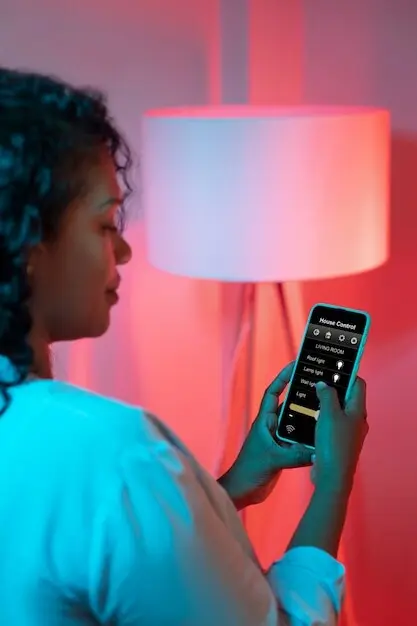
Voice phrases, widgets, dashboards, and buttons reduce friction so routines complement rather than frustrate. Choose names people remember, place controls where hands actually reach, and ensure every automated action has a clear off ramp. Share screenshots and favorite phrases, helping newcomers build habits that stick without constant reminders.
Privacy, Safety, and Reliability
Local First, Cloud When Sensible
Prefer hubs and devices that keep automations running without internet, yet still allow cloud features like remote access when needed. Review vendor policies, firmware cadence, and export options. If a service sunsets, you’ll appreciate local scenes that preserve daily comfort and safety effortlessly.
Testing, Logging, and Alerts
Schedule monthly drills to verify sensors, alarms, and batteries, then snapshot logs to catch silent failures. Tune notification tiers so urgent issues surface quickly while minor events batch quietly. Encourage readers to share alert strategies that reduce noise yet protect what matters most every day.
Safety Valves and Guardrails
Build maximum temperature caps for space heaters, automatic relocks for doors left open, and shutoff scenes when smoke or water is detected. Add confirmation prompts on risky commands. Practice emergency routines together so reflexes form, reducing panic and ensuring equipment responds as designed during stressful moments.

All Rights Reserved.